ICT Support Engineer ANZSCO 263212

If you are planning to move to Australia with an IT career, the ICT Support Engineer role is a solid option. It comes under ANZSCO code 263212 and is part of the skilled occupation system.

Home > ICT Support Engineer ANZSCO 263212

Technical Support

System Maintenance

User Assistance

Network Troubleshooting

An ICT Support Engineer helps manage and fix problems in computer systems, networks, and software.

Simply, they fix technical problems and make systems run smoothly.

They also train users, upgrade systems and keep things efficient. 

ICT support engineer providing technical assistance and troubleshooting systems

What Does an ICT Support Engineer Do?

Here are the main tasks:

Task

What It Means

Troubleshoot issues

Find and fix technical problems

Support users

Help people with system issues

Maintain systems

Keep systems running smoothly

Install software

Set up programs and tools

Test systems

Check if systems work correctly

Create documentation

Record problems and solutions

They also:

  • Diagnose complex system issues
  • Provide technical guidance
  • Improve system performance

Skill Level and Classification

This occupation is classified at Skill Level 1 in ANZSCO.

Category

Details

Major Group

ICT Professionals

Unit Group

2632 

ANZSCO Code

263212

Skill Level

1

So, most have a bachelor degree or more.

Are you from the background of ICT Quality Assurance Engineer ANZSCO 263211

Skills You Need

To become an ICT Support Engineer, you need both technical and soft skills.

Technical Skills

  • Hardware and software troubleshooting
  • Operating systems like Windows and Linux
  • Networking basics
  • System installation and configuration
  • Basic security knowledge

Soft Skills

  • Problem solving
  • Communication
  • Patience
  • Attention to detail
  • Teamwork

You need to stay calm because users depend on you to fix issues quickly.

Qualification Requirements

Most applicants have:

  • A degree in Information Technology or related field
  • Basic knowledge of systems and networks

If your degree is not related, you can still apply with enough work experience.

Certifications and practical skills can also help a lot.

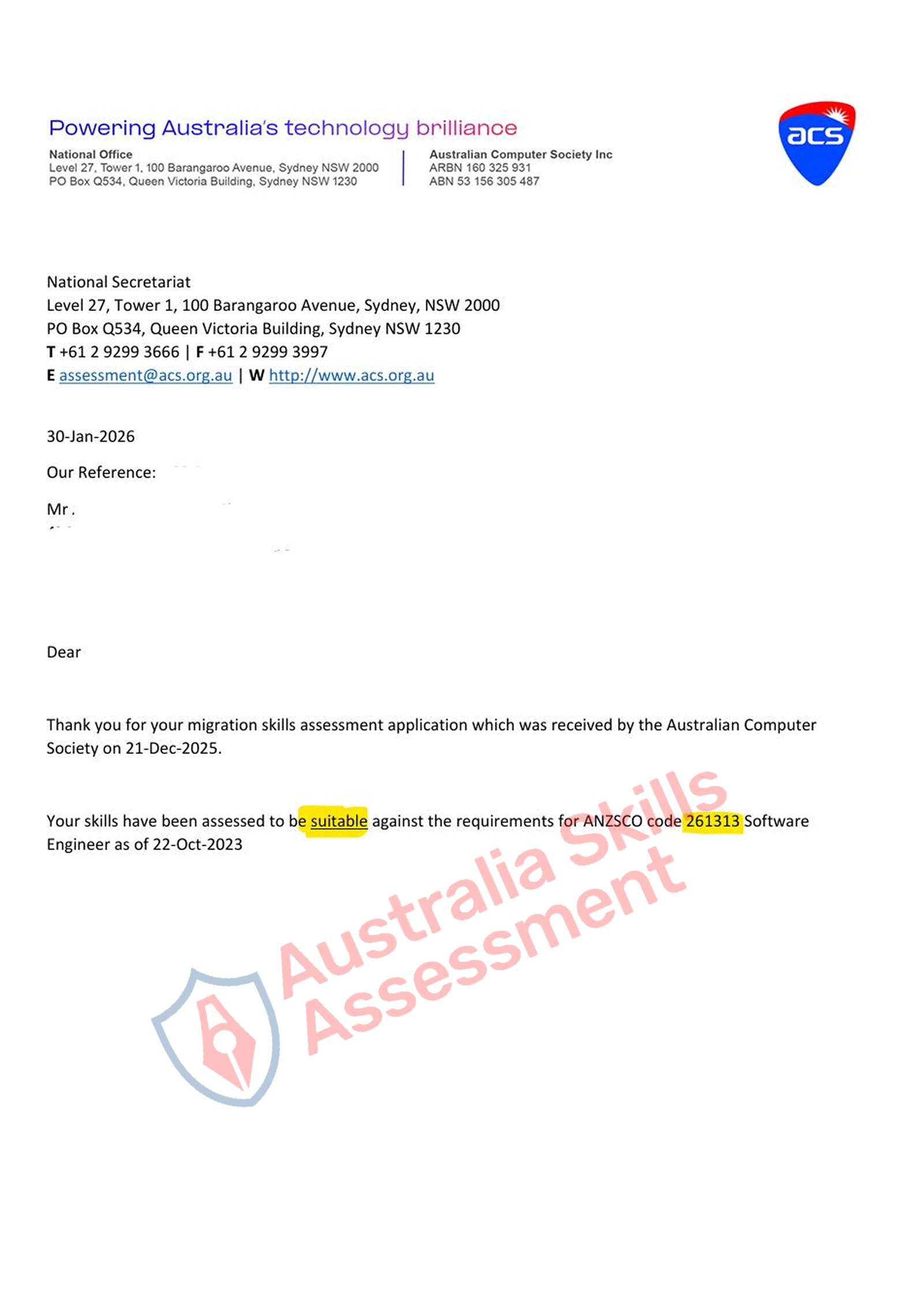
Skills Assessment (ACS)

To migrate to Australia, you must complete a skills assessment.

The Australian Computer Society (ACS) is an authoritative body for assessment.

They check:

  • Your education
  • Your work experience
  • Whether your tasks match the role

Basic Requirement Table

Qualification

Work Experience Needed

ICT Degree (related)

Around 2 years

ICT Degree (not related)

Around 4 to 6 years

Non-ICT Degree

Around 6 years + RPL

No Degree

Around 8 years + RPL

If you do not have a degree, you can apply through Recognition of Prior Learning (RPL).

Work Environment

ICT Support Engineers work in many industries:

  • IT companies
  • Banks and finance
  • Government organisations
  • Education sector
  • Large businesses

Around 9,700 people work in this role, and most jobs are full-time.

Salary in Australia

Pay is based on experience. 

Experience Level

Average Salary (AUD/year)

Entry Level

65,000 to 80,000

Mid Level

80,000 to 100,000

Experienced

100,000 to 120,000+

Support jobs might be lower, but advance with time.

Job Outlook in Australia

This role has steady demand because all companies need IT support.

Some key points:

  • Used in many industries
  • Needed for daily system operations
  • Growth is stable over time

The industry is expanding, so there’s a demand for support engineers. 

Visa Options

ICT Support Engineer is on skilled lists. 

Common visa options include:

  • Skilled Nominated visa (190)
  • Skilled Regional visa (491)
  • Employer Sponsored visas

But this job is on short-term lists so opportunities rely on state policies.

Why Choose This Career?

Here are some simple reasons:

  • Easy entry into IT field
  • High demand in all industries
  • Good career growth
  • Opportunity to move into advanced roles
  • Migration pathway available

This role is good if you enjoy helping others and solving problems.

Difficulties in This Job

Some common challenges include:

  • Handling many issues at the same time
  • Dealing with frustrated users
  • Working under pressure
  • Keeping up with new technology

Patience and communication skills are important. 

How to Start Your Journey

Follow these steps:

  1. Complete a degree in IT or related field
  2. Learn basic system and network skills
  3. Practice troubleshooting
  4. Gain work experience
  5. Apply for ACS skills assessment
  6. Start your migration process

What did you think of the article? Anything you agree or disagree with? We would love to hear your thoughts.

Contact Us

Email: info@australiaskillsassessment.com

Call/WhatsApp: +61 483 984 780

Website: australiaskillsassessment.com

Instagram WhatsApp Facebook
💬